
System Architecture
Overview
Section titled “Overview”EarthTeam follows a three-tier architecture with a React Native mobile frontend and a Next.js 15 web platform consuming a shared Django REST API backed by PostgreSQL with PostGIS for geospatial data. The platform integrates with the Solana blockchain for token and rewards management and with LLM endpoints for the gAIa conversational assistant.
| Tier | Technology | Purpose | |------|-----------|---------| | Presentation | React Native (Expo) + Next.js 15 | Mobile app and web platform user interfaces | | Application | Django 5 + Django REST Framework | RESTful API, business logic, authentication, verification workflows | | Data | PostgreSQL + PostGIS | Relational data, geospatial queries, content storage |
Architecture Diagram Gallery
Section titled “Architecture Diagram Gallery”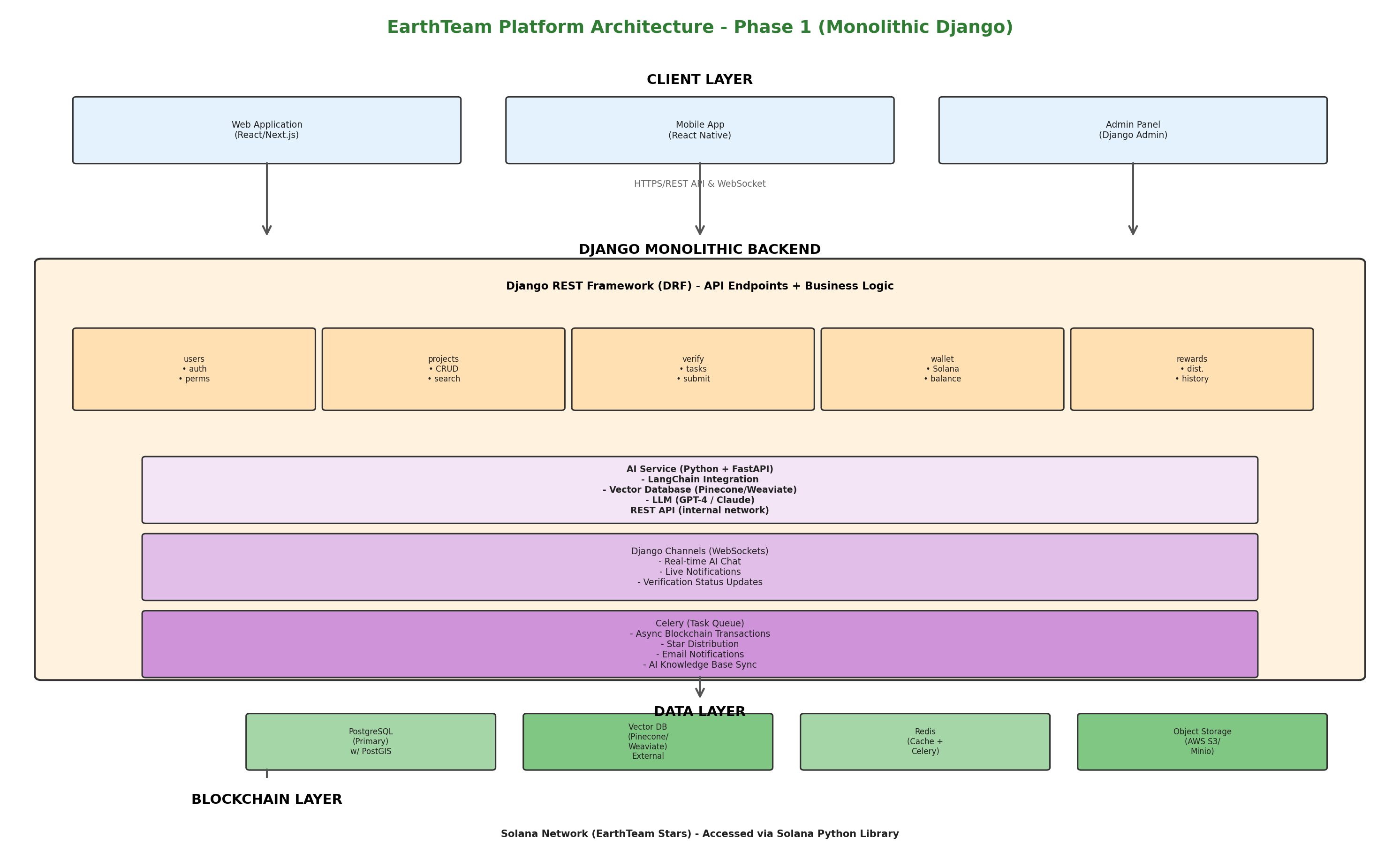
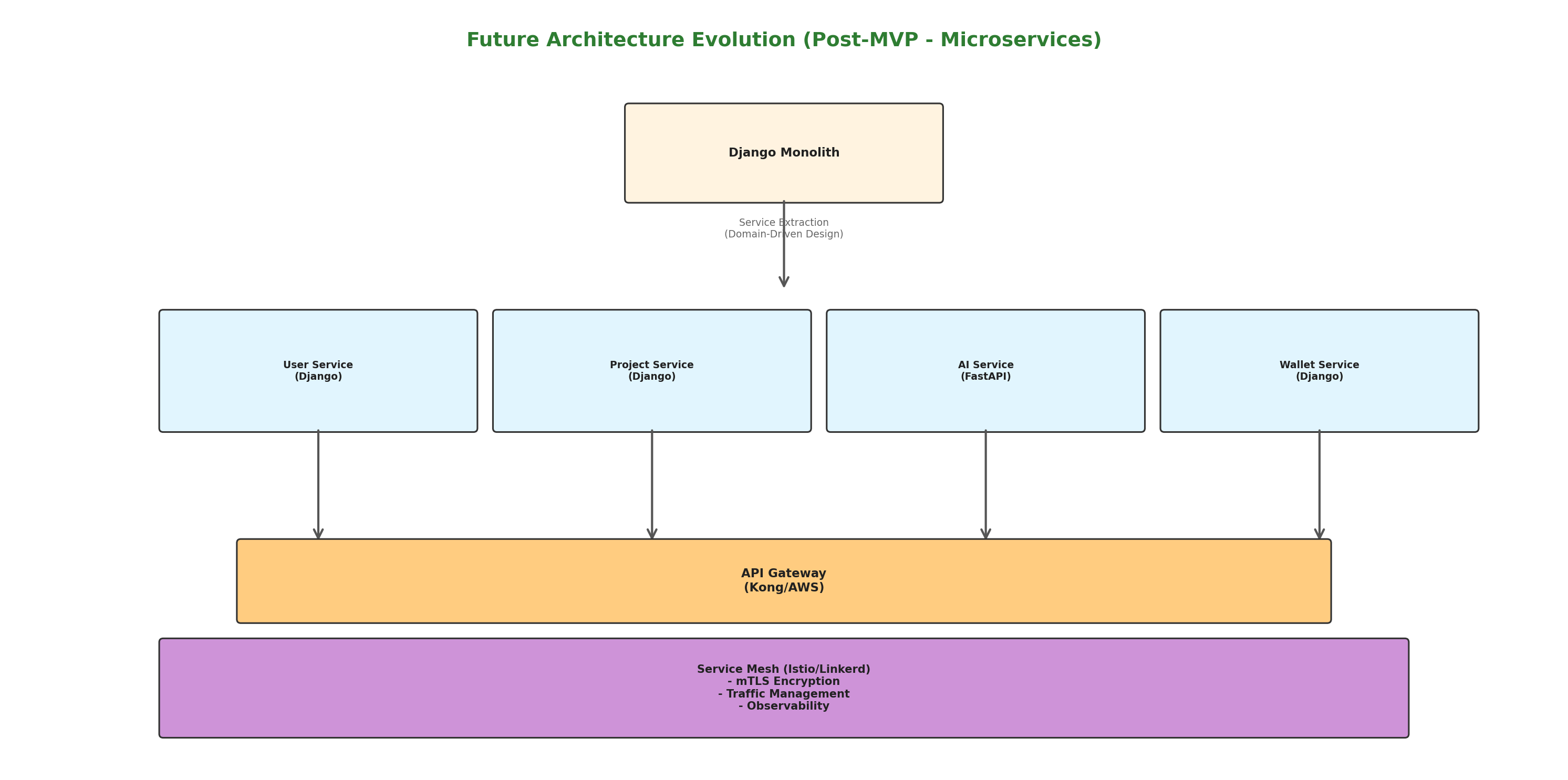
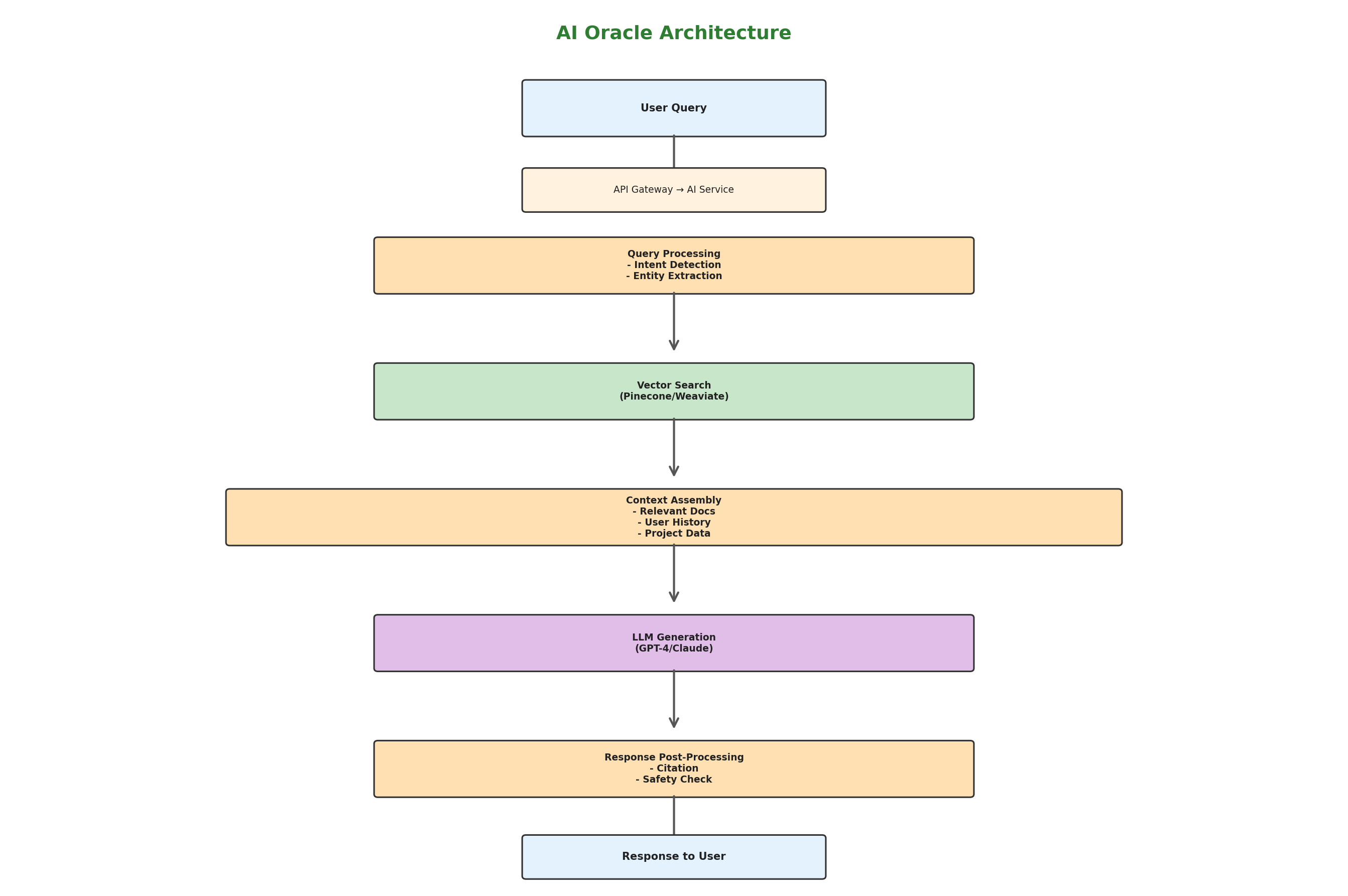
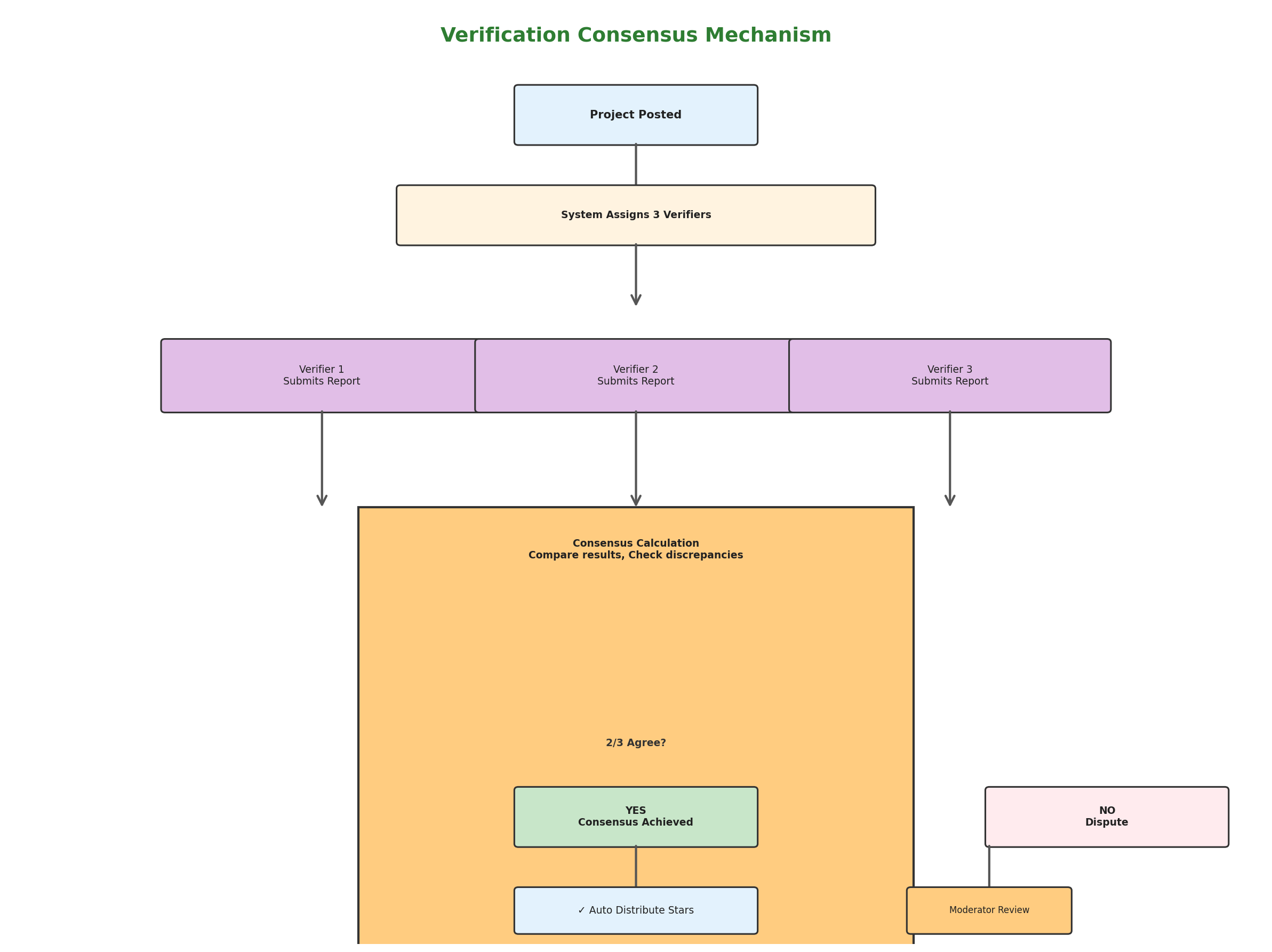
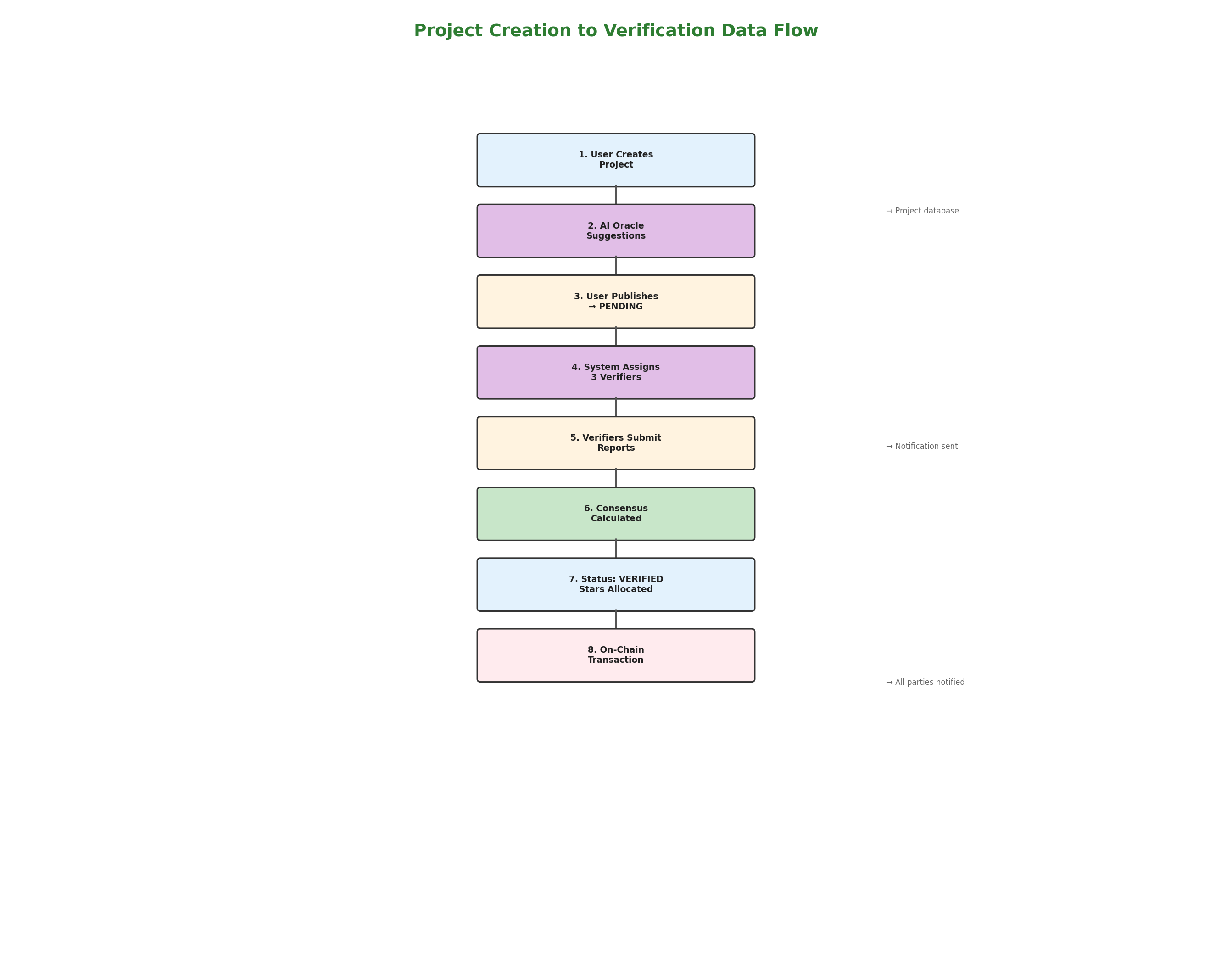
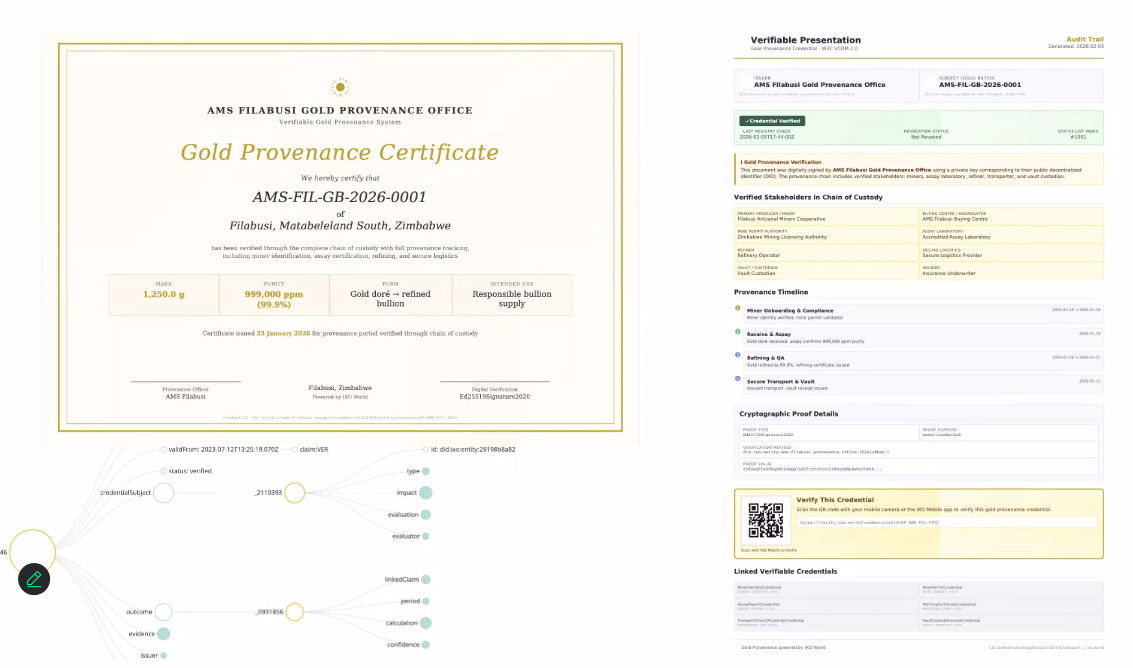
High-Level Architecture
Section titled “High-Level Architecture”The EarthTeam platform is built around a centralized API that serves two distinct frontend clients and integrates with external blockchain and AI services.
┌─────────────────────┐ ┌─────────────────────┐│ React Native App │ │ Next.js Web App ││ (Expo / Mobile) │ │ (Next.js 15) │└─────────┬───────────┘ └──────────┬──────────┘ │ │ └──────────┬─────────────────┘ │ HTTPS / JWT ▼ ┌─────────────────────┐ │ Django REST API │ │ (DRF / Gunicorn) │ └─────────┬───────────┘ │ ┌──────────┼──────────┐ ▼ ▼ ▼ ┌──────────┐ ┌────────┐ ┌──────────┐ │PostgreSQL│ │ Solana │ │ LLM APIs │ │+ PostGIS │ │ RPC │ │ (Claude) │ └──────────┘ └────────┘ └──────────┘Key Design Decisions
Section titled “Key Design Decisions”- Shared API: Both frontends consume the same Django REST API, ensuring consistent business logic and data access patterns across platforms.
- JWT Authentication: Access tokens with configurable expiry (15 minutes for mobile, 7 days for web) with refresh token rotation.
- Geospatial Foundation: PostGIS enables efficient location-based queries for the interactive 3D globe, proximity searches, and geotagged content.
- Blockchain Integration: Solana RPC calls are handled server-side through web3.py, keeping private keys and signing operations on the backend.
Microservices Layout
Section titled “Microservices Layout”The current architecture is primarily a monolithic Django application with clear module boundaries, supplemented by Celery workers for async task processing. Several additional services (including a planned RAG service for gAIa, push notification delivery, and a blockchain indexer) are being developed as independent microservices.
gAIa Architecture
Section titled “gAIa Architecture”The gAIa provides conversational AI assistance to users directly within the mobile app. It enables Planetary Health-related Q&A, project recommendations, verification guidance, and contextual help.
Architecture Overview
Section titled “Architecture Overview”┌──────────────┐ ┌─────────────────┐ ┌──────────────┐│ Mobile App │─────▶│ Django API │─────▶│ Claude API ││ (Chat UI) │◀────│ (ai_oracle app) │◀────│ (Anthropic) │└──────────────┘ └────────┬────────┘ └──────────────┘ │ ┌─────────▼─────────┐ │ PostgreSQL │ │ (Conversation │ │ History + Cache)│ └───────────────────┘Request Flow
Section titled “Request Flow”- User sends a message from the mobile chat interface
- Django API receives the request and constructs a prompt with relevant context (user profile, recent activity, project data)
- The prompt is sent to the Claude API via the Anthropic SDK
- Claude’s response is streamed back through the Django API to the mobile client
- Conversation history is persisted in PostgreSQL for context continuity across sessions
Planned Enhancements (Sprint 3)
Section titled “Planned Enhancements (Sprint 3)”- Prompt Caching: Cache frequently used system prompts to reduce API costs and latency
- Conversation Memory: Multi-turn dialogue with summarization for long conversations
- Context Injection: Dynamically inject project data, verification guidelines, and user statistics into prompts
- RAG Service: Standalone microservice using vector search over the Planetary Health knowledge base
Verification Flow
Section titled “Verification Flow”The verification workflow is a core EarthTeam feature that enables citizen scientists to submit proof of Planetary Health actions and earn Stars rewards.
End-to-End Flow
Section titled “End-to-End Flow”Step 1: User Submits Verification Post
User creates a post with photos and text describing their Planetary Health action. The post is tagged with location data and associated with a Planetary Health project.
Step 2: Post Enters Verification Queue
The post is added to the verification marketplace where registered verifiers can browse and claim pending tasks.
Step 3: Verifier Claims & Reviews
A verifier claims the task, reviews the submitted evidence (photos, location data, description), and either approves or rejects the submission.
Step 4: Reward Distribution
On approval, Stars are credited to the user’s wallet. The transaction is recorded on-chain via Solana. On rejection, the user receives feedback and can resubmit.
Verification States
Section titled “Verification States”| State | Description |
|-------|------------|
| pending | Submitted and awaiting a verifier to claim |
| claimed | A verifier has claimed the task and is reviewing |
| approved | Verified as authentic — Stars rewarded |
| rejected | Evidence insufficient — user may resubmit |
| disputed | Under admin review due to verifier disagreement |
Data Flow
Section titled “Data Flow”Both read and write operations flow from the frontend clients through the Django REST API to PostgreSQL. Frontends use TanStack Query for caching, background refetch, and optimistic updates. Side effects such as blockchain transactions and push notifications are dispatched as asynchronous tasks. Images uploaded by users are validated server-side, with thumbnails generated asynchronously.
Gold Reserve Certificate Design
Section titled “Gold Reserve Certificate Design”The Gold Reserve Certificate (GRC) is a planned NFT-style digital certificate minted on the Solana blockchain for each completed verification. It serves as immutable proof of Planetary Health impact.
Certificate Structure
Section titled “Certificate Structure”| Field | Description | |-------|------------| | Token Standard | SPL NFT (Metaplex) | | Metadata | Timestamp, GPS coordinates, project ID, verifier ID, Star reward amount | | Media | Verification photos stored on Arweave / IPFS | | On-chain | Mint address stored in PostgreSQL linking user to certificate |
Planned Features (Sprint 4)
Section titled “Planned Features (Sprint 4)”- Automatic minting on verification approval
- Gallery view on user profiles (mobile + web)
- Shareable certificate card with QR code for off-chain verification
- Verifiable via Solana block explorer
Tech Stack
Section titled “Tech Stack”| Layer | Technology | Version | Purpose | |-------|-----------|---------|---------| | Mobile Frontend | React Native (Expo) | SDK 52 | Cross-platform mobile application | | Web Frontend | Next.js | 15 | Server-rendered web platform with Turbopack | | Web UI Framework | Tailwind CSS | 4 | Utility-first styling with dark theme | | API Framework | Django REST Framework | Latest | RESTful API endpoints and serialization | | Backend Runtime | Django | 5 | Application server and ORM | | Database | PostgreSQL | 16 | Primary relational data store | | Geospatial | PostGIS | 3.4 | Geospatial queries and indexing | | Cache / Queue | Redis | 7 | Celery broker and cache backend | | Async Tasks | Celery | Latest | Background job processing | | Blockchain | Solana | — | Token ($ETC) and rewards ledger | | Blockchain SDK | web3.py | Latest | Solana RPC integration (server-side) | | AI | Claude API (Anthropic) | — | gAIa conversational assistant | | Vector Search | pgvector | Planned | Semantic search for RAG knowledge base | | Push Notifications | Firebase FCM / APNs | — | Mobile push notification delivery | | HTTP Client (Frontend) | Axios | Latest | HTTP client with JWT interceptors | | Server State | TanStack Query | 5 | Data fetching, caching, and synchronization | | Containerization | Docker | — | Development and deployment containers | | Reverse Proxy | Nginx | — | TLS termination and request routing |
API Conventions
Section titled “API Conventions”The EarthTeam API follows RESTful conventions:
| Convention | Detail |
|-----------|--------|
| Base URL | Hosted on the EarthTeam servers |
| Endpoint Versioning | Stable and newer endpoints are versioned for backward compatibility |
| Auth | JWT Bearer tokens in Authorization header |
| Content Type | application/json (multipart for image uploads) |
| Pagination | Cursor-based for feeds, page-based for lists |
| Error Format | { "detail": "...", "code": "..." } |
| Rate Limiting | Tiered per endpoint group (auth, reads, writes) |
API Documentation
Section titled “API Documentation”Interactive Swagger/OpenAPI documentation provides full endpoint listings, request/response schemas, and the ability to test API calls directly from the browser.
Security Architecture
Section titled “Security Architecture”| Aspect | Implementation |
|--------|---------------|
| Authentication | JWT (access + refresh tokens) with rotation |
| Authorization | DRF permissions, role-based access (user, verifier, admin, org) |
| Transport | HTTPS with TLS 1.3 |
| API Protection | Rate limiting, input validation, CSRF for web |
| Data Storage | Passwords hashed (bcrypt), sensitive config in .env |
| Blockchain | Server-side signing, never expose private keys to clients |
This architecture documentation is a living document and will be updated as the platform evolves. Last updated: June 2026.